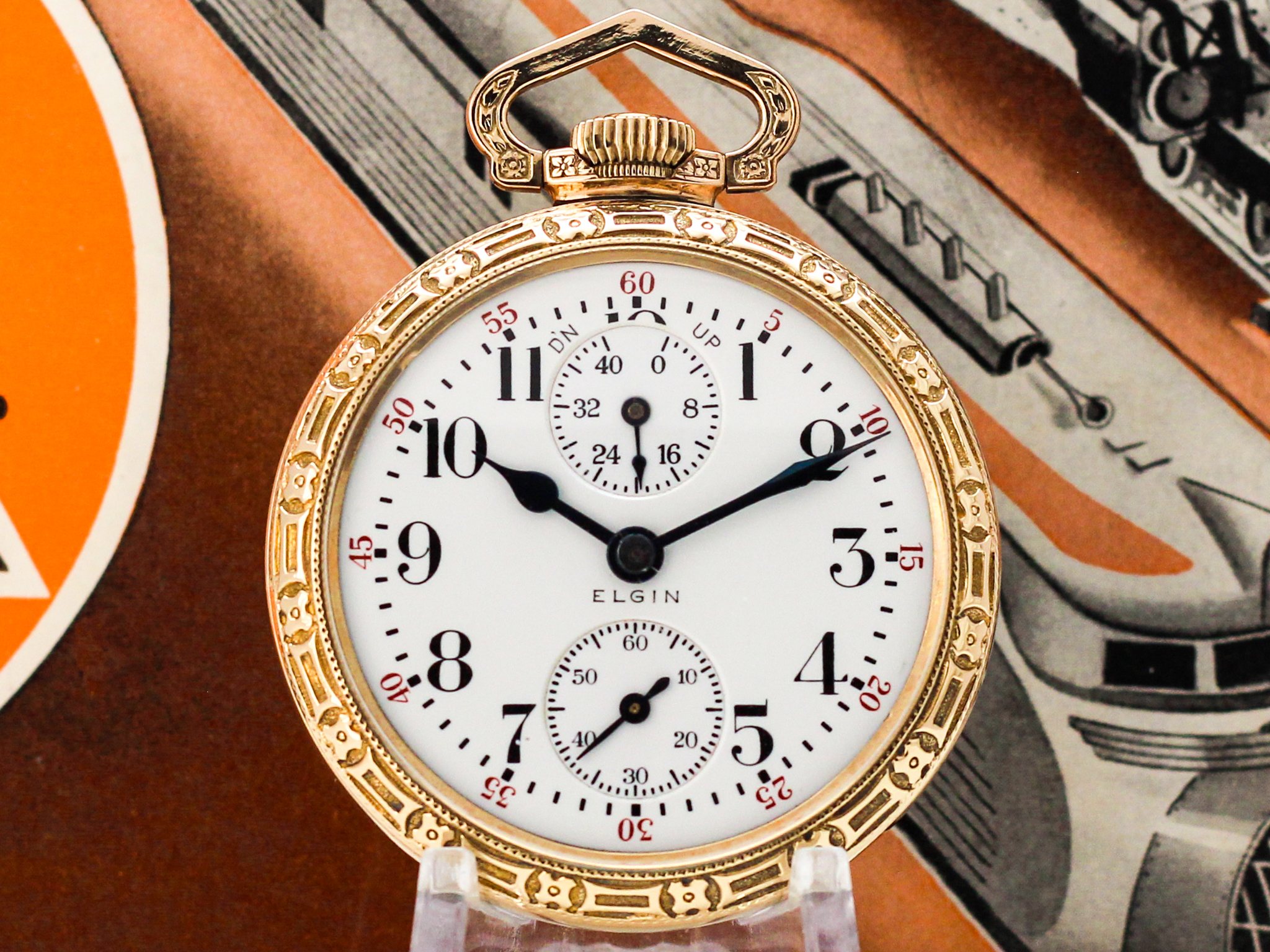
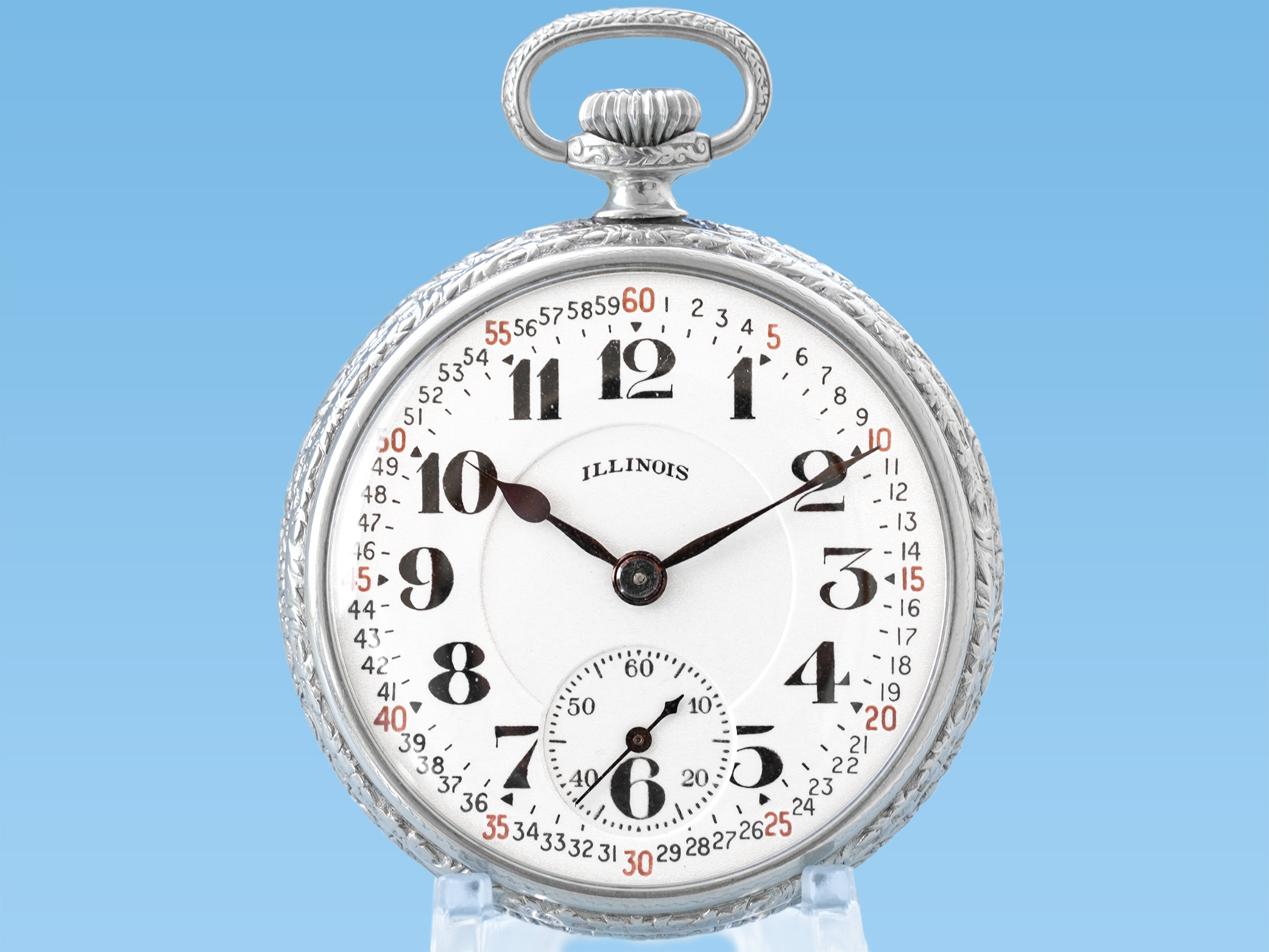
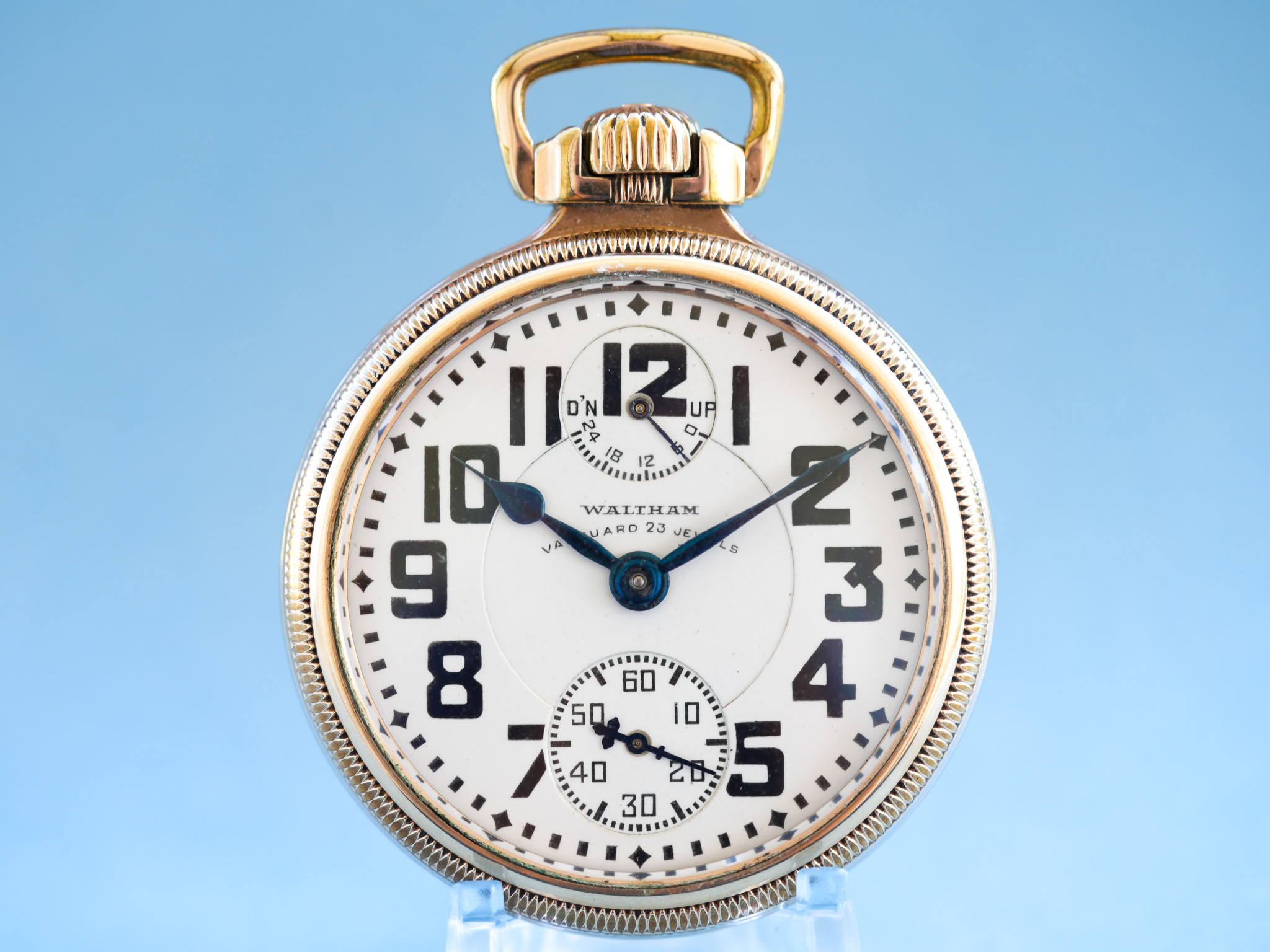
If you collect American pocket watches, chances are you already own a Hamilton — or you're looking for one. No other manufacturer captures the spirit of American precision watchmaking quite like the Hamilton Watch Company. From their earliest days in Lancaster, Pennsylvania, Hamilton set out to build the finest timepieces in the world, and for more than half a century, they delivered on that promise in spectacular fashion. Whether you're just getting started or you've been collecting for decades, understanding Hamilton's key grades is essential to building a collection you'll be proud of.
This guide covers the most important Hamilton grades, what makes each one special, and what to look for when adding one to your collection.
A Brief History of Hamilton Watch Company
The Hamilton Watch Company was founded in 1892 in Lancaster, Pennsylvania, absorbing the assets of the Adams and Perry Watch Company. From the very beginning, Hamilton's focus was on precision. When Webb C. Ball established the railroad timekeeping standards in 1893 following the Great Kipton Train Wreck, Hamilton was ready. The company threw itself into manufacturing railroad-grade movements that didn't just meet Ball's strict requirements — they exceeded them.
By the early 1900s, Hamilton had earned the title "The Railroad Timekeeper of America," commanding an astounding 59% of the railroad pocket watch market. That dominance wasn't built on marketing — it was built on movements like the Grade 940, 946, 950, and 992 that railroad men trusted with their lives, day in and day out. Hamilton continued producing pocket watches until 1969, when their final 992B movements rolled off the line in Lancaster, closing a remarkable chapter in American manufacturing.
The Key Hamilton Grades Every Collector Should Know
Grade 940 — Where the Legend Began
The Hamilton Grade 940, introduced in 1898, is where the Hamilton railroad story truly begins. This was the movement that put Hamilton on the map and cemented the company's reputation among railroad professionals. The 940 is a size 18 movement with 21 jewels, adjusted to five positions, and lever-set — meeting every requirement of the 1893 railroad standard. What set it apart was its reliability. Conductors and engineers could stake their lives on the 940's accuracy, and they did, every single day.
For collectors, the 940 represents the foundation of Hamilton's railroad legacy. These are size 18 watches, so they have real presence on the wrist or in the pocket. Production numbers were relatively healthy, making them more accessible than some of Hamilton's later premium grades, but finding one in excellent condition with a clean double-sunk dial and crisp damaskeening is a genuine thrill.
Grade 946 — Hamilton's Size 18 Masterpiece
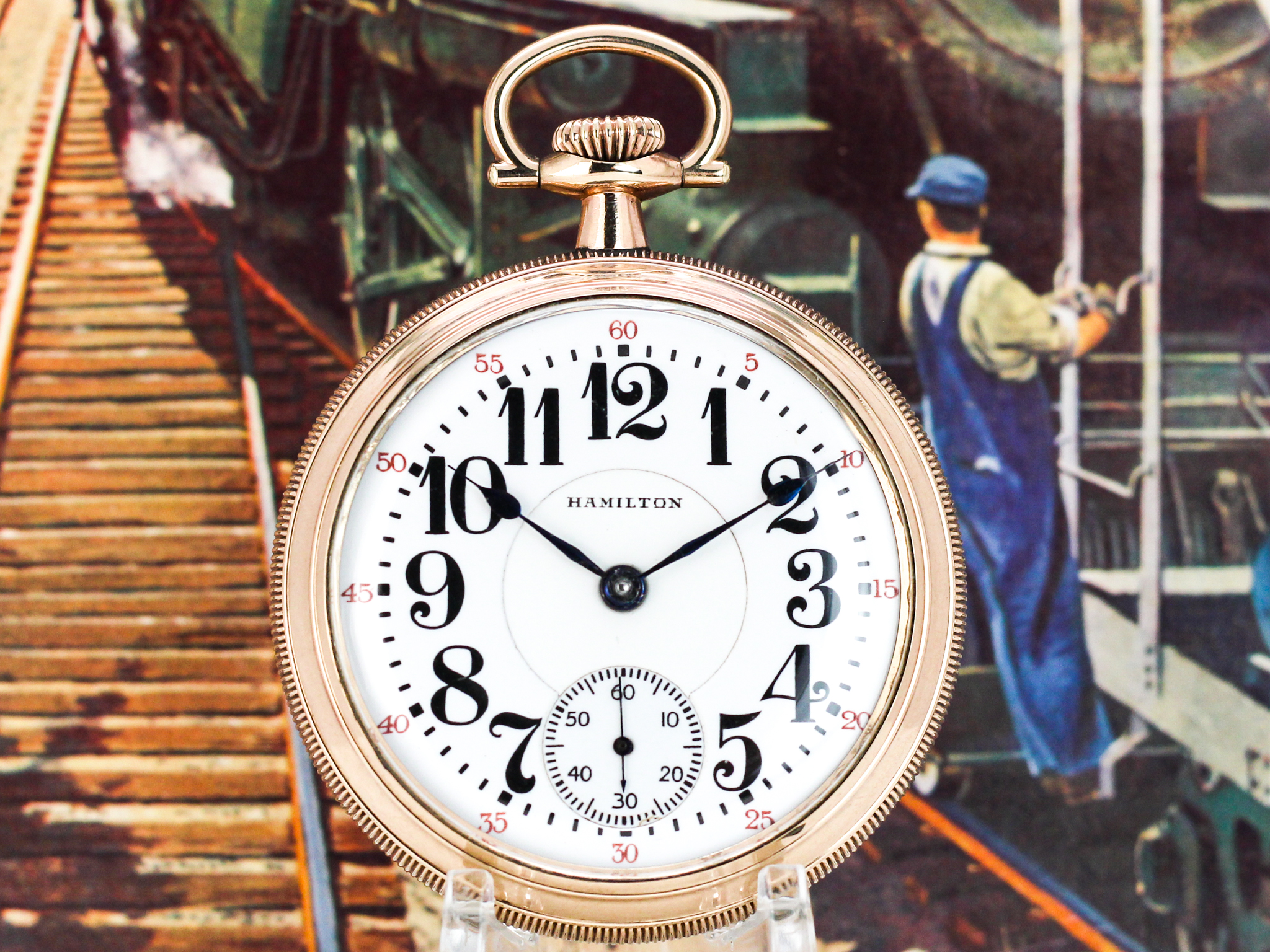
If the 940 put Hamilton on the map, the Grade 946 showed the world what the company was truly capable of. This 23-jewel, size 18 movement is one of Hamilton's finest creations — adjusted to five positions, temperature, and isochronism, with a motor barrel, sapphire pallet jewels, and some of the most intricate damaskeening Hamilton ever produced. The 946 shares the same mesmerizing damascene pattern found on the Hamilton 996 movement, a sun-ray center with ornate perimeter decoration that makes experienced collectors stop in their tracks.
Only 10,692 Grade 946 movements were ever produced, making this one of the rarer Hamilton railroad grades. The double-sunk dials on these watches often feature what's known as the "blind man's dial" — bold, oversized Arabic numerals designed for the instant readability that railroad service demanded. Some examples even carry the full "Hamilton Watch Company" script across the dial, a feature that was too long for anything smaller than a size 18 movement. If you find a Hamilton 946 in excellent condition, don't hesitate — these don't come around often.
Grade 950 — The Pinnacle of American Watchmaking
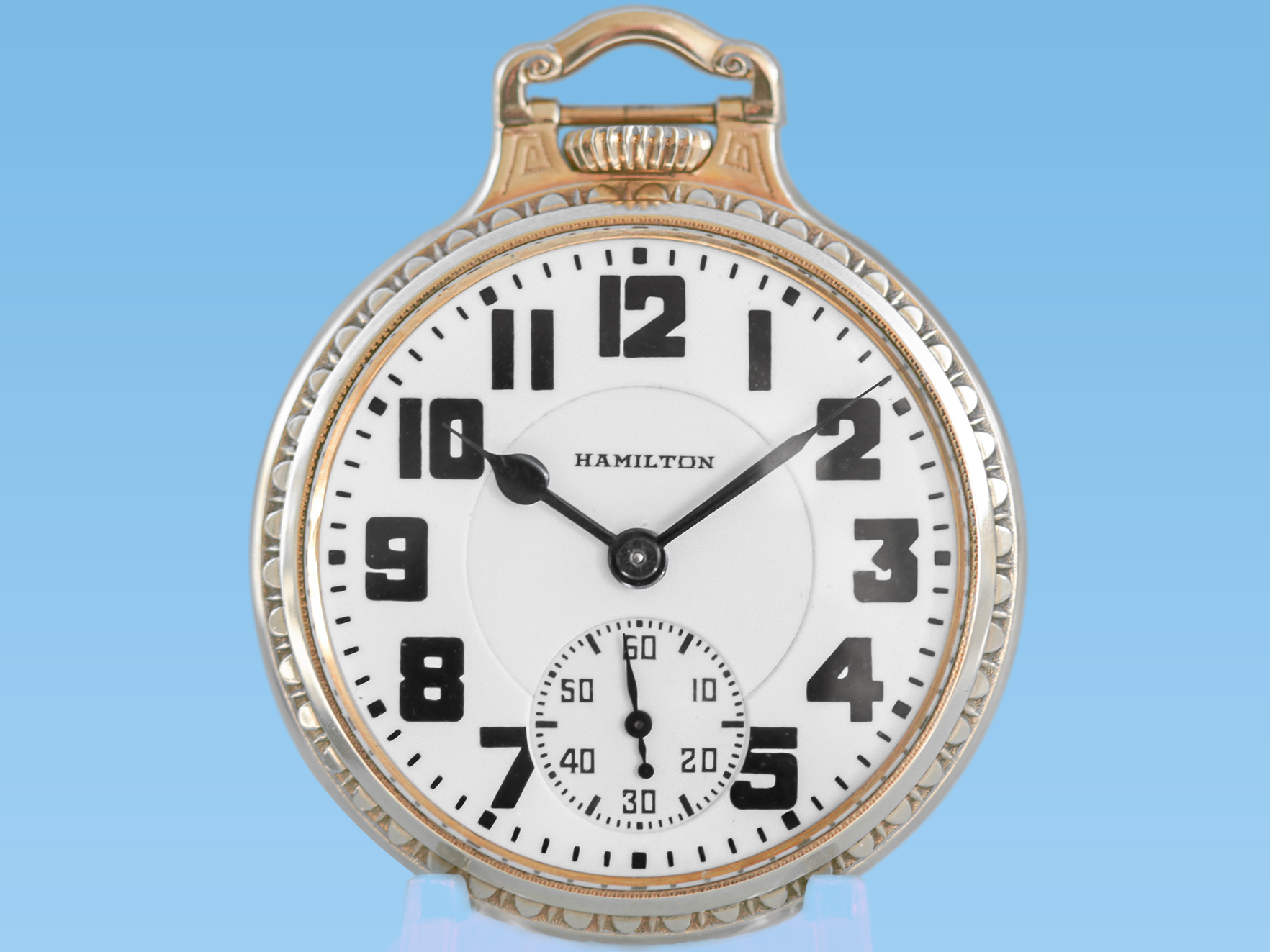
Introduced in 1910, the Hamilton Grade 950 is, in the minds of many collectors and horologists, the finest American pocket watch ever manufactured. This 23-jewel, size 16 movement was Hamilton's flagship — the watch they built to prove that American craftsmanship could stand alongside anything the Swiss produced. And it did.
The 950 features solid gold jewel settings, a solid gold gear train, a Breguet hairspring, sapphire pallet jewels, and beautifully damaskeened bridges that are pure mechanical artistry. Every component was hand-finished to Hamilton's exacting standards. The movement is lever-set, adjusted to five positions, temperature, and isochronism — meeting and exceeding every railroad requirement of its era.
We currently have two exceptional Grade 950 examples in our collection. One is a 1935 Hamilton 950 with serial number 2505348, housed in the popular Hamilton Wadsworth Model 2 Bar Over Crown case — a stunning combination of durability and refined beauty. The other is a 1928 Hamilton 950 with serial number 2504098 in a Keystone Nickeloid case with a custom solid gold dial and diamond crossbar hands. Both are in excellent condition and run with the kind of precision that made the 950 legendary.
Grade 992 — The Railroad Timekeeper of America
If there's one Hamilton grade that defined an entire era of American railroading, it's the 992. Introduced in 1903, this 21-jewel, size 16 movement became the standard by which all other railroad watches were measured. The 992 was Hamilton's workhorse — accurate, dependable, and beautifully constructed. It earned the company its famous slogan and the trust of railroad men across the country.
The 992 features a nickel finish with elegant damaskeening, a double-sunk enamel dial, and lever-set configuration. It's adjusted to five positions, temperature, and isochronism. Production ran for decades, meaning there's a wonderful variety of dial styles, case configurations, and production years to collect. Early examples from the 1900s and 1910s carry a certain historical weight, while later models from the 1920s and 1930s often feature some of Hamilton's most attractive case designs, including the rare white gold fill Cross Bar case — Hamilton's first Art Deco design, introduced in 1924.
Grade 992B — The Final Evolution
The 992B represents the final chapter of the Hamilton Grade 992 story, and what a chapter it is. This 21-jewel, size 16 movement incorporated Hamilton's latest innovations and remained in production from the 1940s all the way to 1969 — the very last year Hamilton produced pocket watches in Lancaster. Finding a 1969 or 1970 production year 992B is like owning the final word in American pocket watch manufacturing.
The 992B was the backbone of the American railway system through the mid-20th century. Adjusted to six positions and temperature, it ran with remarkable precision. Many examples feature the distinctive Melamine dial with bold boxcar numerals and black spade or whip hands — an unmistakable look that collectors prize. These watches were built during the transition from steam to diesel locomotives, making them witnesses to one of the greatest technological shifts in American transportation history.
Grade 950B — The Rarest of the Great Ones
If the 950 was Hamilton's masterpiece, the 950B was its magnum opus. This 23-jewel movement took everything that made the 950 legendary and refined it further. With six-position adjustment plus temperature and isochronism, solid gold train wheels, and a superior balance design, the 950B was the most accurate railroad-grade pocket watch of its time. The vaunted Swiss watchmakers, for all their storied history, were never able to match the accuracy and reliability of the Hamilton 950B.
Only 32,500 were ever produced, making the 950B an incredibly rare find — especially in excellent condition. Production ran from the 1940s through the 1950s, placing these watches squarely in the era when America was hurtling toward the space age while its railroads transitioned to the diesel locomotives that still rule the rails today. A well-preserved 950B, like the examples we've been fortunate to offer with serial numbers like S7173 from 1950 production runs, is the kind of watch that can anchor an entire collection.
Grade 992E — Innovation in Action
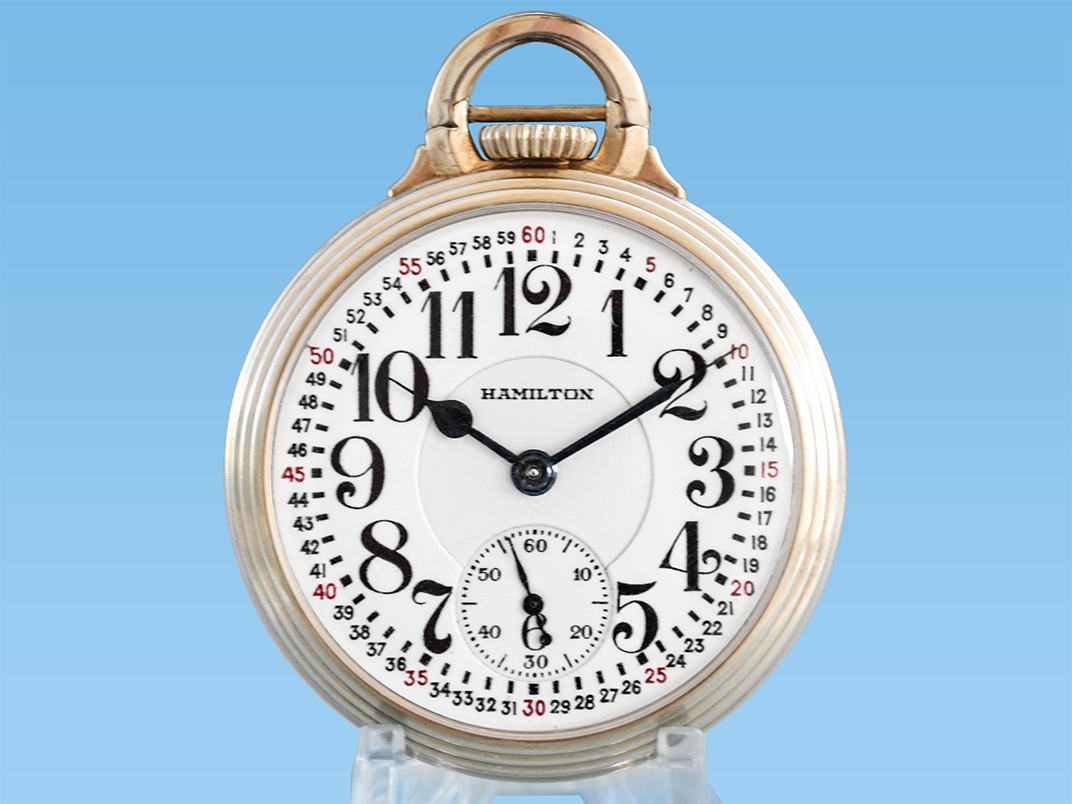
The Grade 992E deserves special attention because it represents Hamilton at its most innovative. The "E" stands for Elinvar — a revolutionary alloy Hamilton developed for its hairspring. As the railroad industry began replacing steam locomotives with electric locomotives in the early 20th century, the powerful electromagnetic fields generated by the new engines posed a serious threat to the accuracy of traditional pocket watches. Hamilton's Elinvar hairspring solved this problem, ensuring railroad timekeeping remained safe and reliable through one of the industry's most significant technological transitions.
Only 63,900 Grade 992E movements were ever produced. These 21-jewel, size 16 movements are adjusted to five positions, temperature, and isochronism. We currently have a beautiful 1940 Hamilton 992E in our collection with serial number 2637317, housed in a 10K gold fill Model 10 case with a stunning Old English Montgomery dial and heat-treated blued steel hands. It's a watch with real historical significance and a direct connection to a pivotal moment in American transportation history.
What to Look for When Buying a Hamilton
Collecting Hamilton pocket watches is immensely rewarding, but there are a few things every buyer should keep in mind.
Condition is paramount. A Hamilton in excellent condition — with a crisp movement, clean dial, and strong case — will always be worth more than a neglected example. Pay close attention to the dial. Double-sunk enamel dials should be free of hairline cracks and chips. The damaskeening on the movement should be sharp and well-defined, not worn smooth from years of improper handling.
Matching configurations matter. A historically accurate configuration — where the movement, dial, hands, and case are all period-correct for that specific grade — commands a premium over a watch that's been pieced together from parts of different eras. Serial numbers are your best friend here. American watchmakers kept detailed records, and a serial number can tell you the exact production year, helping you verify whether all components belong together.
Know your cases. Hamilton produced their own cases through their Wadsworth subsidiary, and certain models are more desirable than others. The Model 2 Bar Over Crown, Model 10, and Model A cases are perennial favorites. The white gold fill Cross Bar case from 1924 is particularly sought after for its Art Deco design. Third-party cases from Keystone and other manufacturers were also commonly used and can be equally attractive.
Railroad grade carries a premium. Watches that were genuinely railroad grade — meeting the strict standards for size, jewel count, adjustment, lever-set configuration, and dial legibility — are more valuable and collectible than non-railroad Hamilton movements. All of the major grades covered in this guide (940, 946, 950, 950B, 992, 992B, 992E) are railroad grade.
Hamilton Price Ranges
Hamilton pocket watches span a broad price range depending on the grade, condition, rarity, and case configuration. Here's a general guide based on what we see in the market for watches in excellent condition:
The Grade 940, being one of the more accessible railroad grades, typically starts in the mid-hundreds and can reach into the low four figures for exceptional examples. The Grade 992, Hamilton's most produced railroad movement, offers excellent value for collectors, generally ranging from the mid-hundreds to around $2,000 depending on the case and configuration.
The 992B and 992E grades, with their later production dates and advanced features, tend to range from around $1,500 to $2,500. The premium grades — the 946, 950, and 950B — command higher prices reflecting their superior construction and limited production. Expect to see these priced from $2,500 to $3,500 or more for exceptional examples in desirable case configurations.
Rare variants, unusual dial configurations, or watches with documented provenance can push prices well above these ranges. As with any collectible, the market rewards quality and authenticity.
Frequently Asked Questions
What is the most collectible Hamilton pocket watch grade?
The Grade 950 and 950B are widely regarded as the most collectible Hamilton pocket watches. The 950 is considered by many horologists to be the finest American pocket watch ever manufactured, with its 23-jewel movement, solid gold gear train, and exceptional finishing. The 950B refined that formula even further. With only 32,500 units produced, the 950B is significantly rarer than most other Hamilton grades, and finding one in excellent condition is a genuine event for serious collectors.
How can I tell if my Hamilton pocket watch is railroad grade?
A genuine railroad-grade Hamilton must meet specific criteria established in the 1890s: it must be open-faced, size 16 or 18, have a minimum of 17 jewels (though many railroad companies required 21 or 23), be adjusted to at least five positions, keep time within 30 seconds per week, be lever-set, and feature bold Arabic numerals on a white dial with black hands. The key Hamilton railroad grades include the 940, 946, 950, 950B, 992, 992B, and 992E. If your watch has a pendant-set crown rather than a lever set, it was likely not used for railroad service, regardless of its grade.
Why are Hamilton pocket watches more expensive than Elgin or Waltham?
Hamilton generally produced fewer watches than competitors like Elgin and Waltham, which manufactured movements in much higher volumes. Hamilton's focus was always on quality over quantity — their movements featured finer materials like solid gold gear trains and sapphire pallet jewels, more precise adjustments, and superior finishing. The company's dominant position in the railroad market also elevated the brand's prestige. All of these factors contribute to Hamilton's higher market values, particularly for the premium railroad grades.
Are Hamilton pocket watches still accurate after 100 years?
Absolutely — and this is one of the most remarkable things about these timepieces. A well-maintained Hamilton pocket watch that has been properly serviced can still keep time within a minute or two per day, which is extraordinary for a mechanical device that's a century old. The 950 and 950B grades, in particular, are known for maintaining accuracy of 30 seconds per week or better even after 75 to 100 years. Regular servicing every three to five years is recommended to keep the movement in optimal condition, but these watches were built to last — and they have.
Start or Expand Your Hamilton Collection
There's never been a better time to collect Hamilton pocket watches. These are mechanical marvels that were built to outlast generations, and they continue to do exactly that. Whether you're drawn to the historic significance of the Grade 940, the engineering innovation of the 992E, or the sheer excellence of the 950 and 950B, every Hamilton tells a story of American craftsmanship at its absolute finest.
We invite you to explore our current selection of Hamilton pocket watches — each one carefully restored, thoroughly tested, and ready to become the next chapter in its remarkable story.