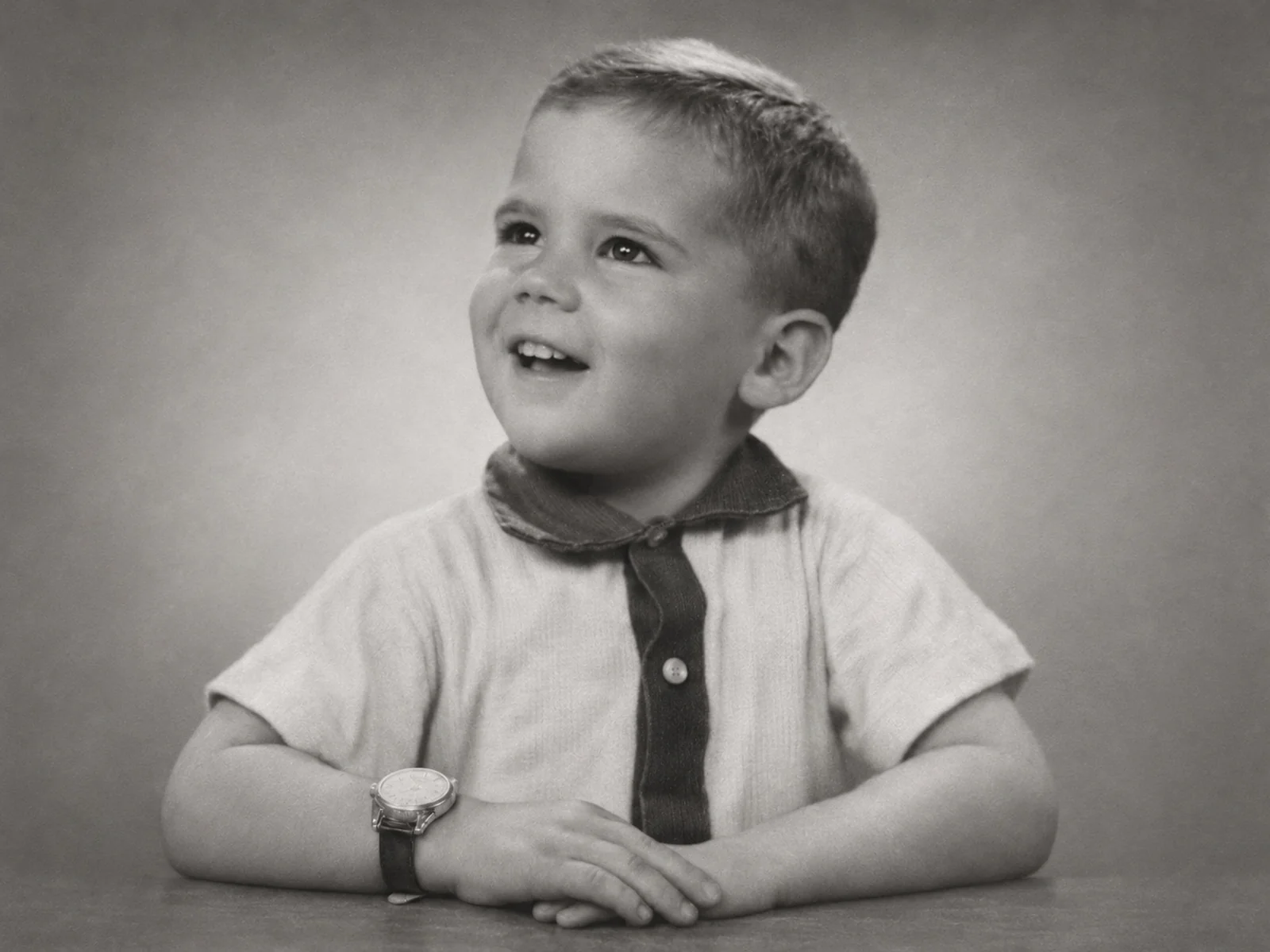
The Pocket Watch Guy with a wristwatch at 3 years old.
This isn't really a way to make a living. I retired from the finance business over 20 years ago, and I do this as a passion project out of a deep appreciation for the art of horology—specifically, the golden age of American watchmaking and its role in industrializing the nation and influencing the world. It helped pioneer the assembly line, precision mechanics, and safe railroads, and its impact extended to the production of oil, gas, automobiles, and beyond.
Running a business where the products and parts we sell—and use for repairs—are no longer manufactured certainly presents its challenges. Not only are the watches and components scarce, but the watchmaking community has also shrunk considerably, becoming almost nonexistent. Most watchmakers today won’t work on vintage pocket watches, largely due to the lack of parts and how incredibly time-consuming it is to locate them—or, in some cases, tool them from scratch.
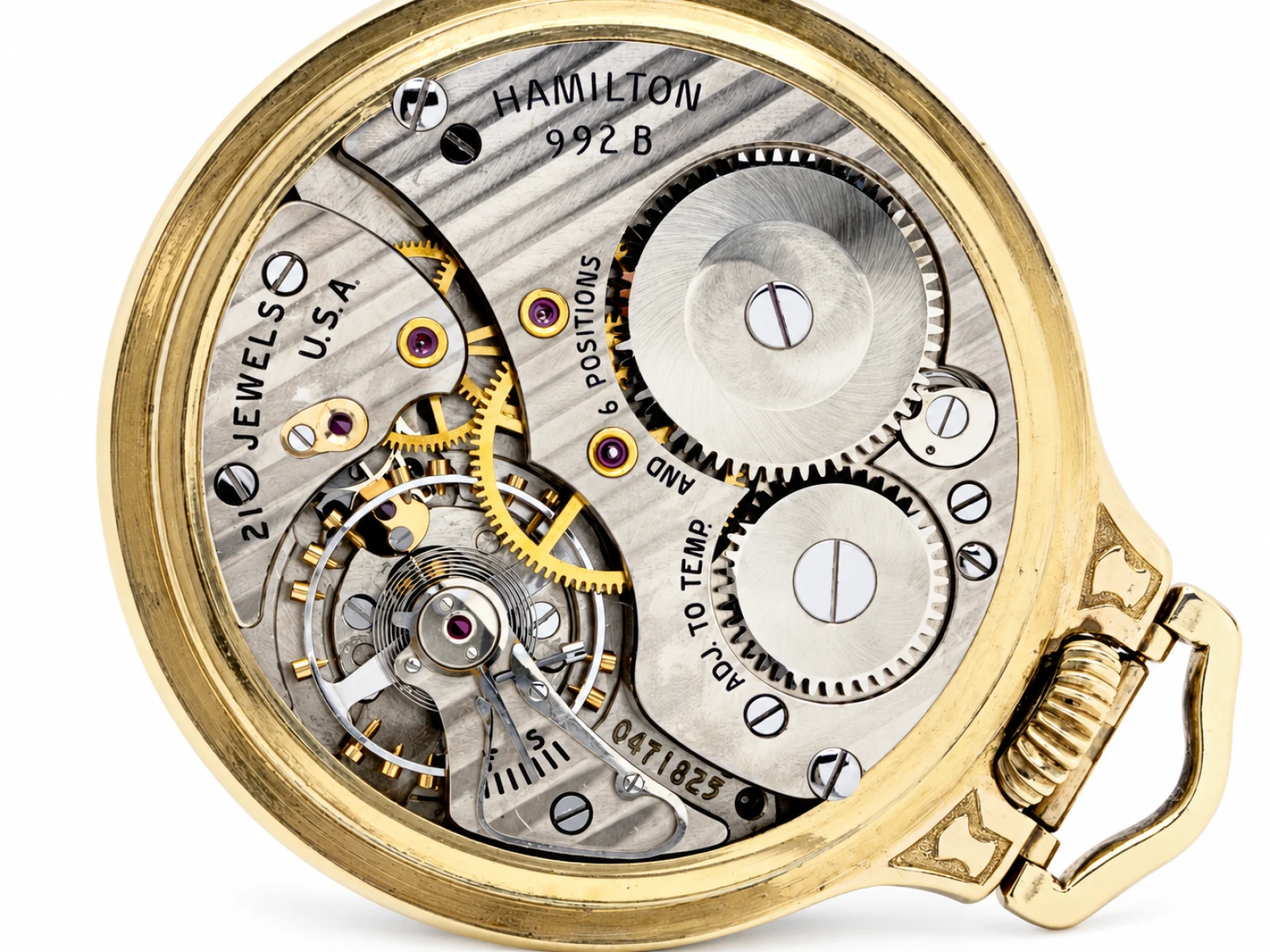
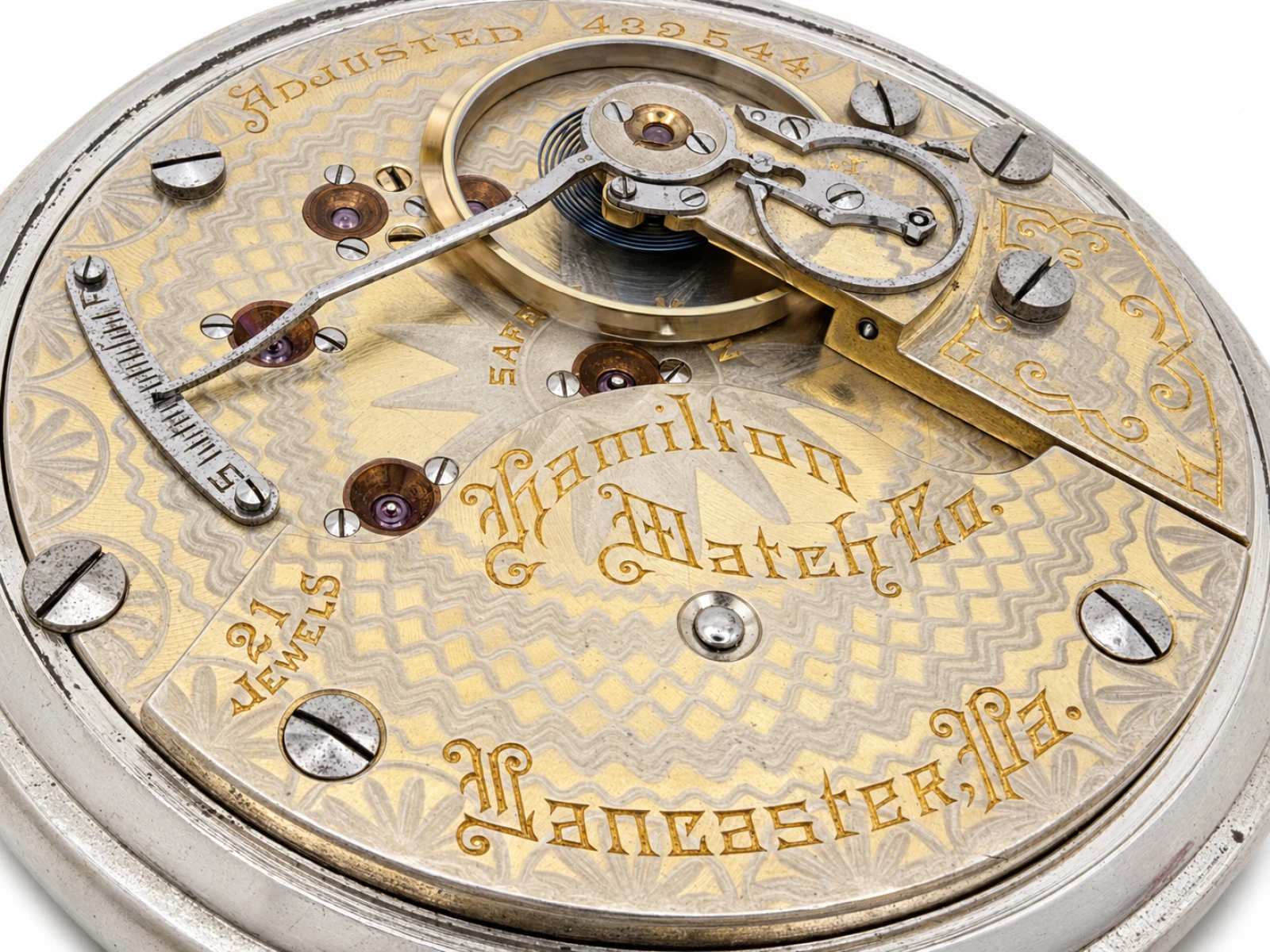
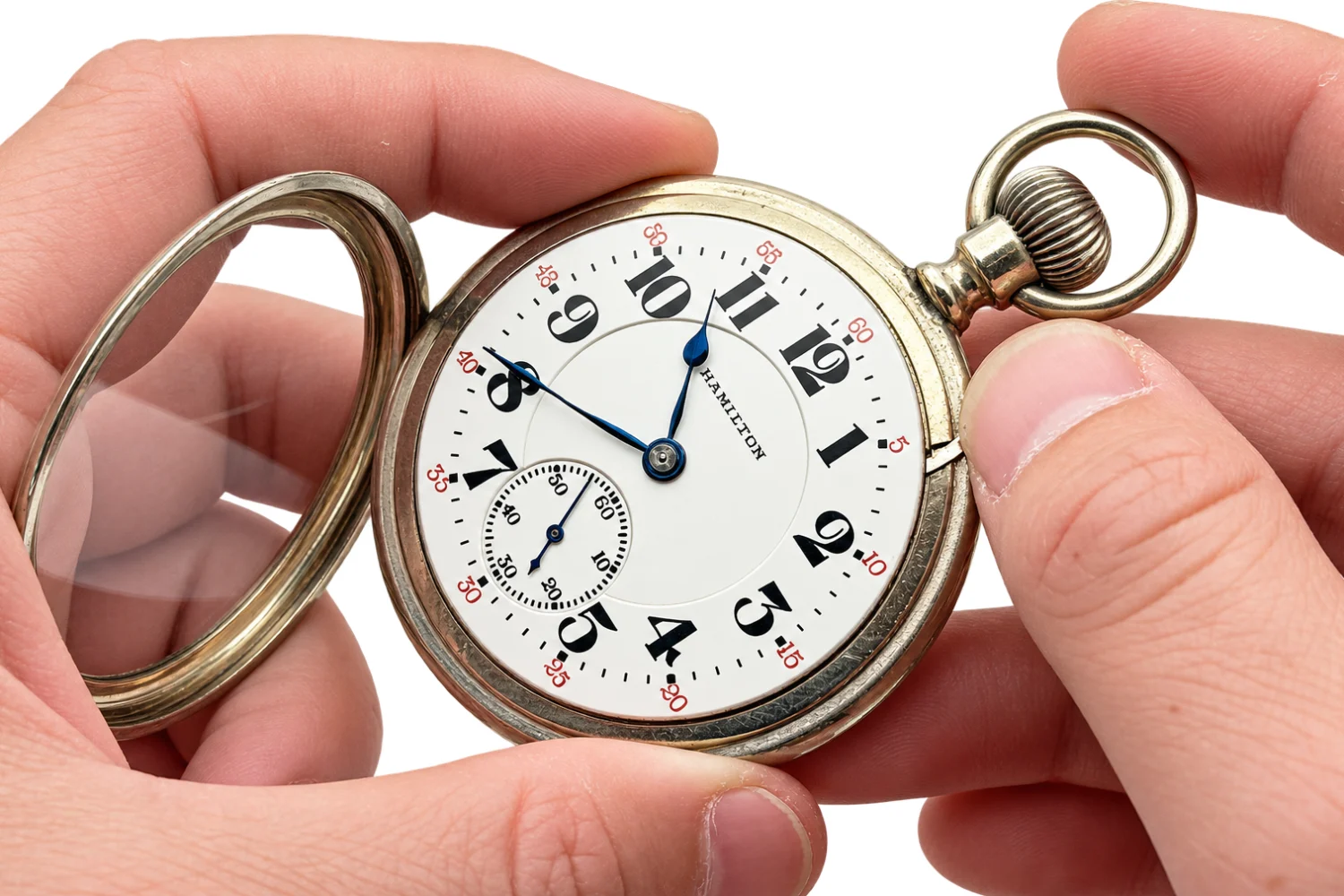
Finding a watch that has survived a hundred years in crisp, original condition is no easy feat—and with replacement parts so scarce, starting with a clean survivor is everything. That’s why I am so selective about what I bring into the shop. The collection I curate focuses on the highest-grade, most historically interesting, and best-preserved examples I can find. I generally pass on watches showing heavy wear or abuse, seeking out pieces that need only a proper service and minor adjustment. Starting with well-preserved examples ensures they remain reliable timekeepers—and true heirlooms—for generations to come. I even photograph every piece myself, partly out of a love for photography and partly because safely opening vintage cases takes a watchmaker’s touch (even if my camera lens can’t quite capture how good they look in person).
The market for vintage pocket watches has diminished greatly from the days when virtually everyone carried one. Today, the world’s best-selling watch, the Apple Watch, becomes outdated and disposable after just a few years. In its era, the pocket watch was every bit as revolutionary as the smartphone is today—except it was built to last. The watches we sell have been passed down and cherished for generations, and they will survive for generations to come as true heirloom timepieces.
Before the pocket watch, time was kept by a clock in the town square, a clock tower integrated into a major building, or church bells ringing to announce services. Modern punctuality hadn’t yet been established for business hours, school schedules, or planned meetings. By allowing people to tell time on the go, the pocket watch didn't just make the railroads safe—it created personal punctuality. A person’s character began to be measured by their respect for someone else's time.
The days when each town set its own local time by the sun—and when "knocker-uppers" were hired to tap on windows to wake people up—came to an end. Standard time zones were born, the industrialization of the country was underway, and these are the timepieces that tell that story.
The Pocket Watch Guy’s mission is to preserve the memory of when the United States led the world in the art of horology—and to celebrate these fine timepieces, the mechanical and creative ingenuity behind them, and the global impact they made.